
The “Full STEAM” training program, focused on integrating science teaching into non-formal contexts, was structured around hands-on activities that engage teachers in real-world learning environments.
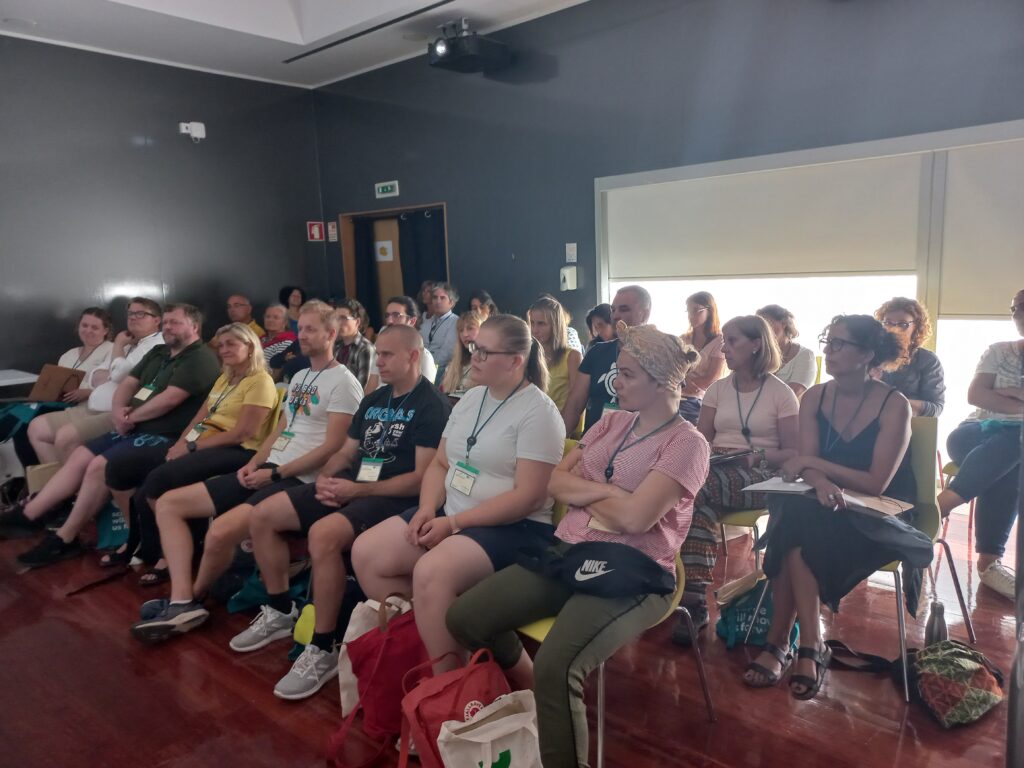
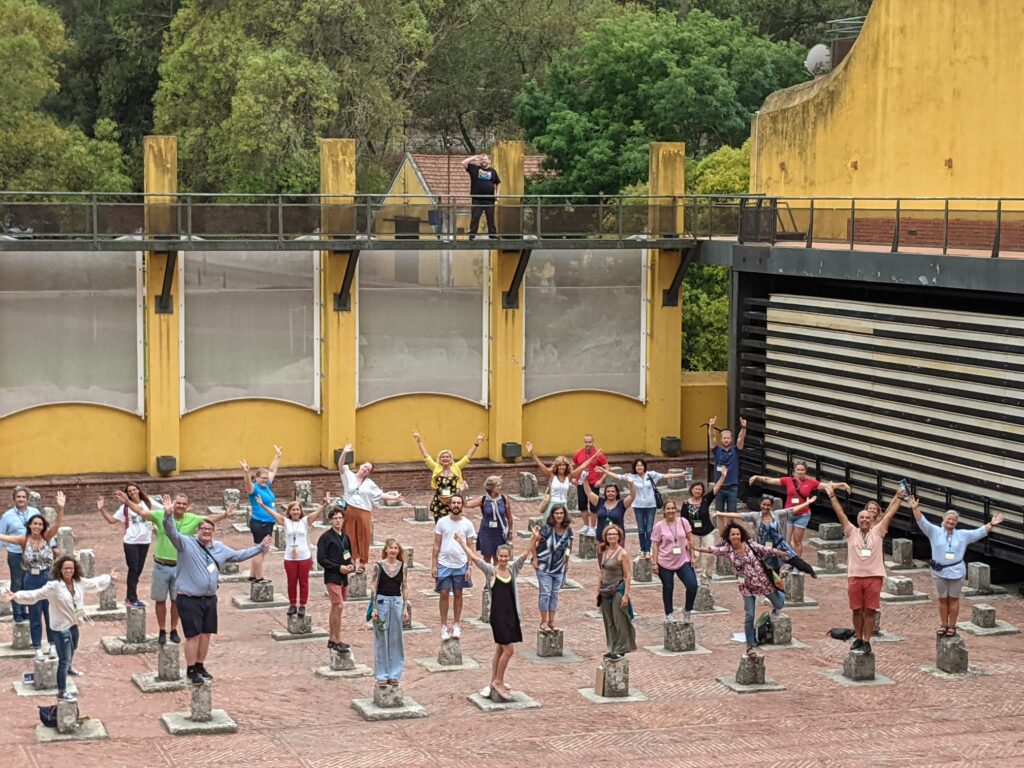
The first training action took place in Portugal, from 6-9 September and joined 28 teachers/educator for from Finland, Iceland, Latvia and Portugal.
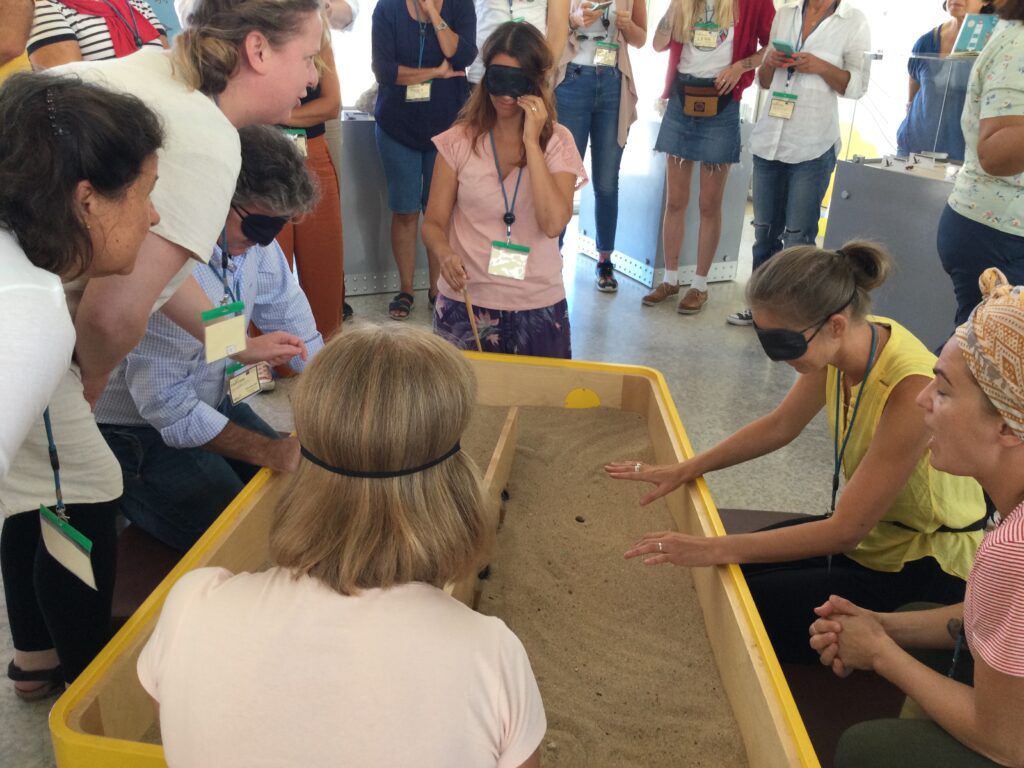
After a welcome session and some “breaking the ice” activity in Centro de Interpretação Ambiental da Pedra do Sal the trainees were prepared to explore the outdoors.
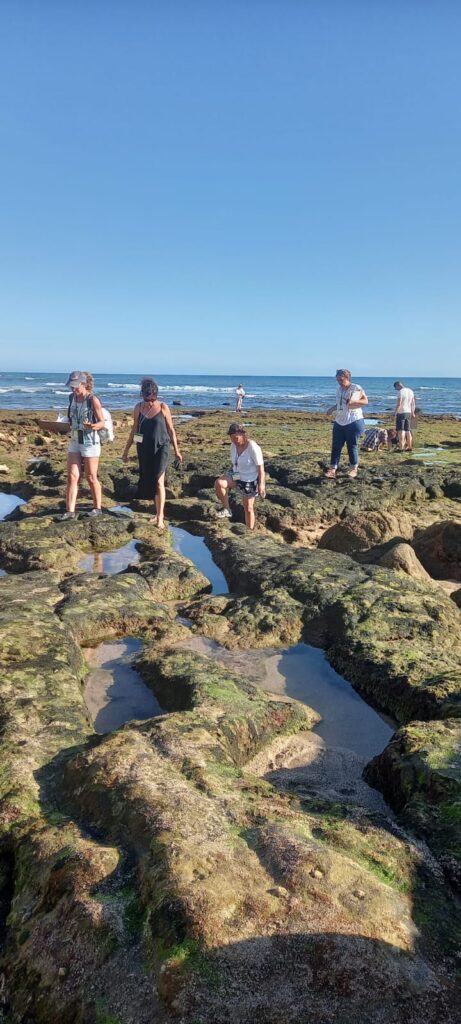
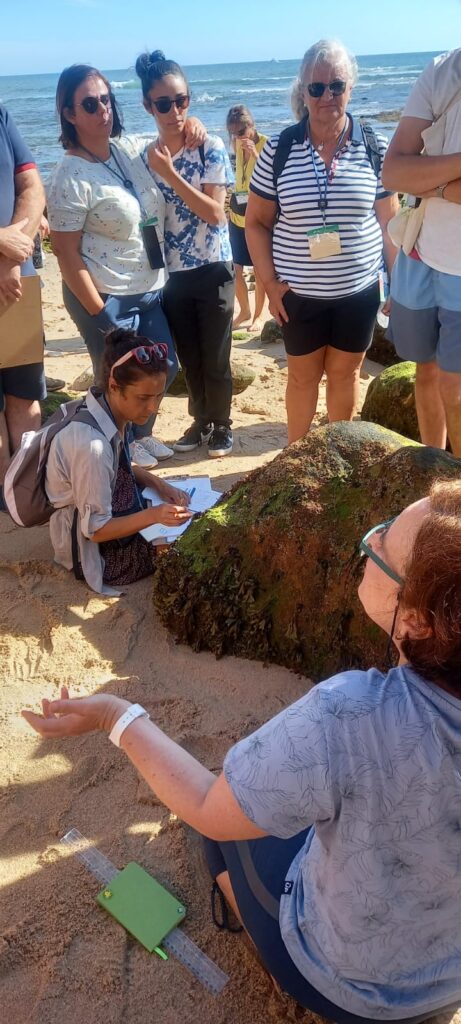
Participants embark on a field trip to the seashore, where they explore the rich biodiversity and geodiversity of the coastal environment.
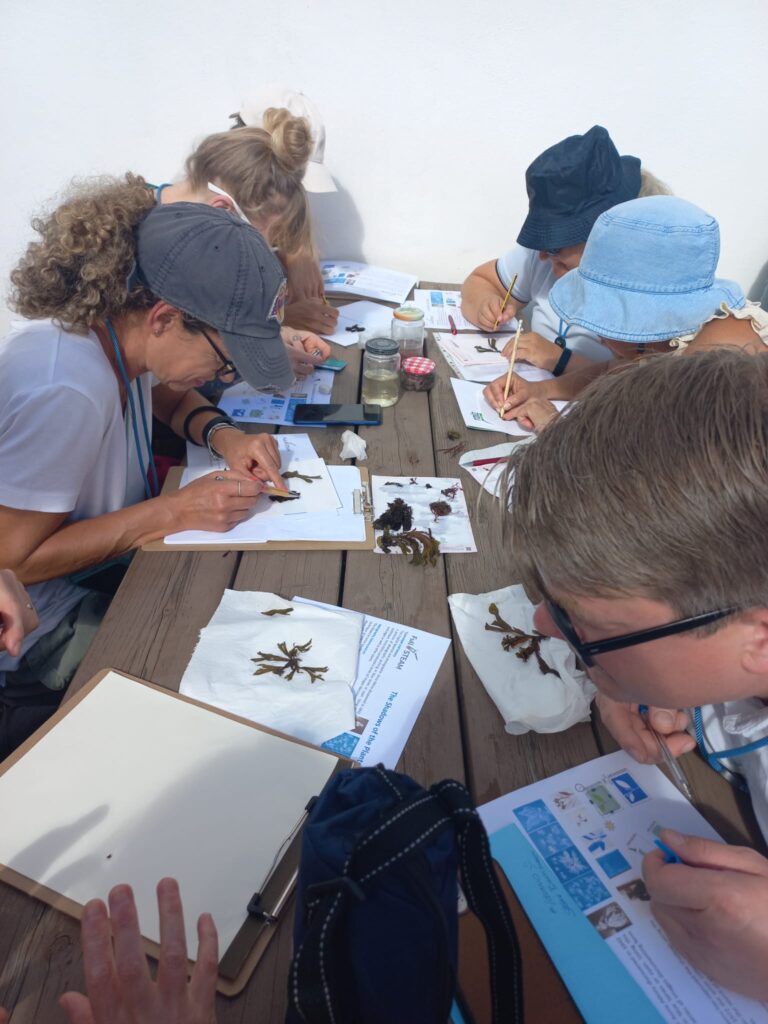
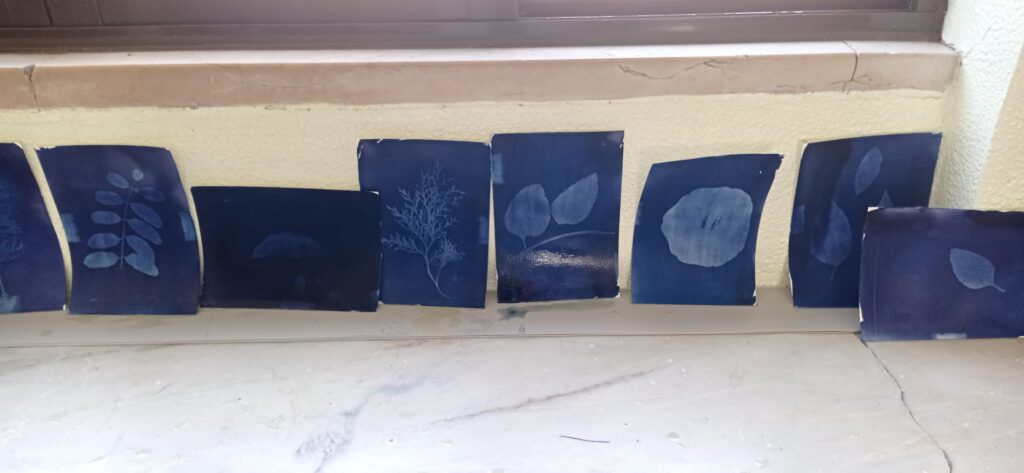
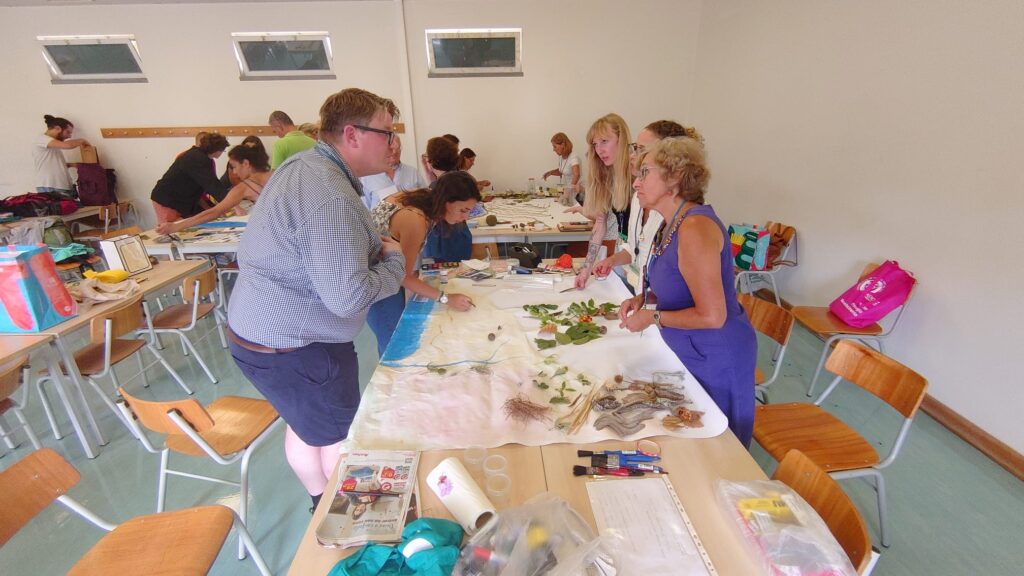
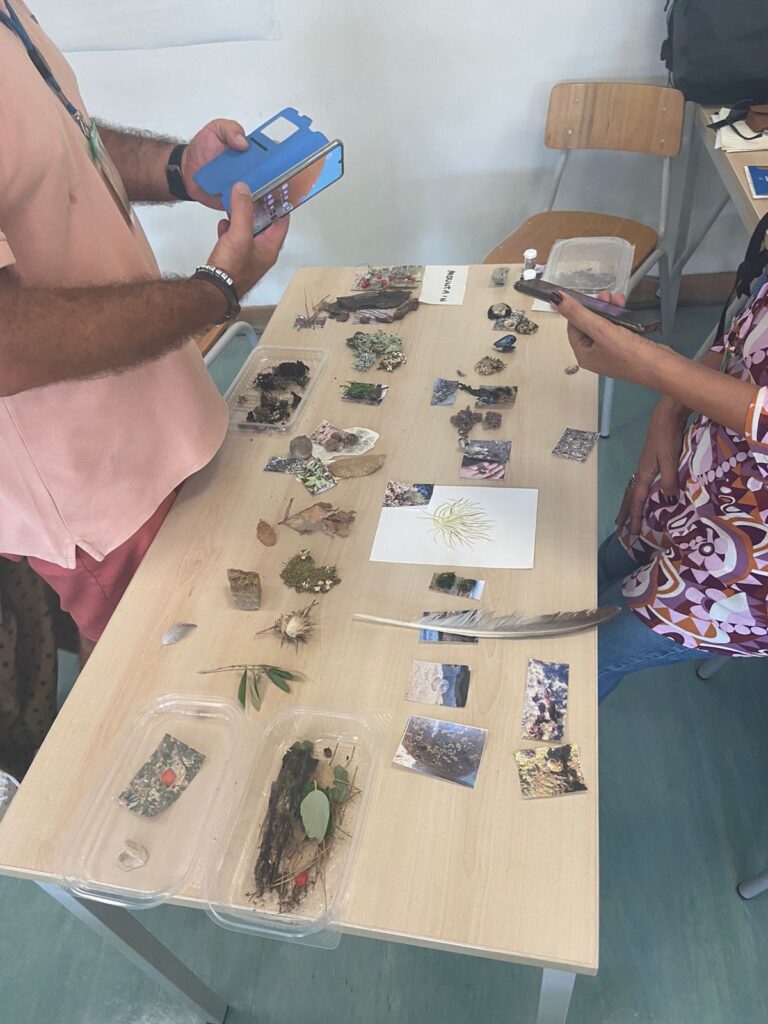
In the second activity, participants focus on material collected during the previous field trip to the seashore. The workshop addresses concepts of biodiversity, taxonomy, algal anatomy, environmental threats, and symmetry/patterns in nature. The activity introduces teachers to cyanotype printing, an artistic process used to create photographic prints.
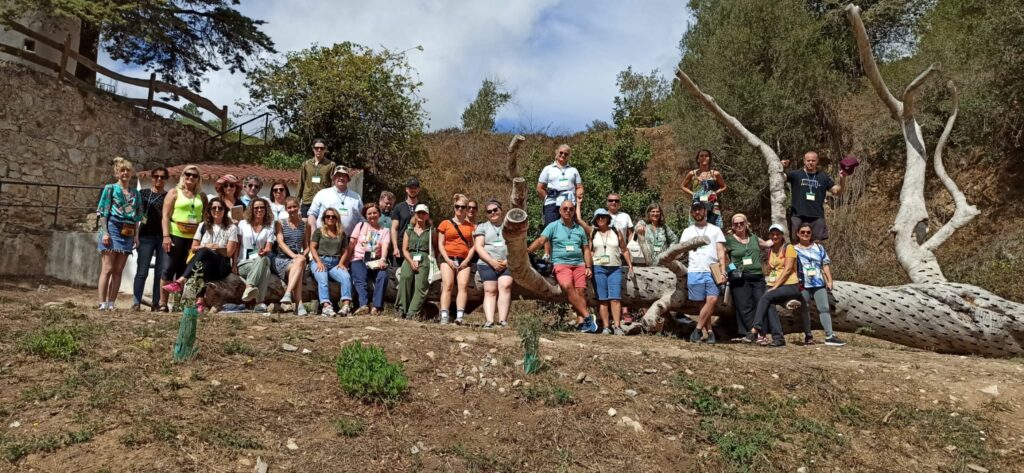
The next field trip took place in a forest, Quinta do Pisão, setting and focused on geodiversity, biodiversity, soil analysis, and the role of senses and sound in observing the environment.
The visit to the Museum of Gunpowder Factory allowed participants to explore the historical and scientific aspects of chemical elements, natural resources, engineering, and problem-solving in the context of gunpowder production. Teachers collect information about the history of gunpowder, chemical elements involved, and engineering solutions to production challenges.
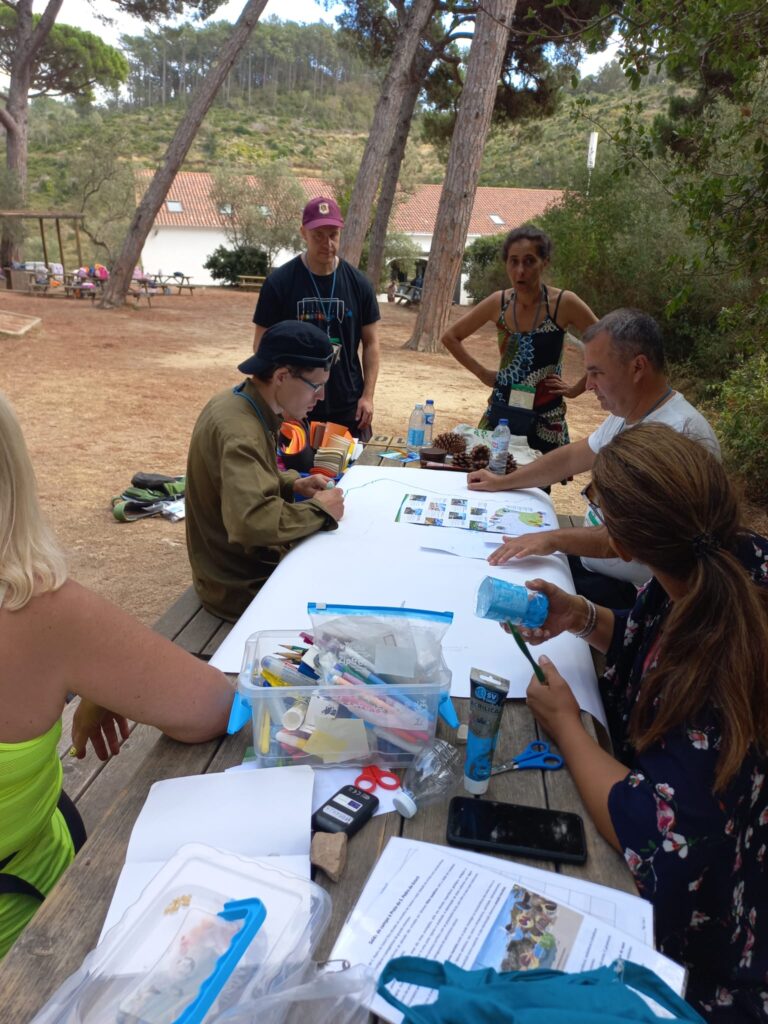
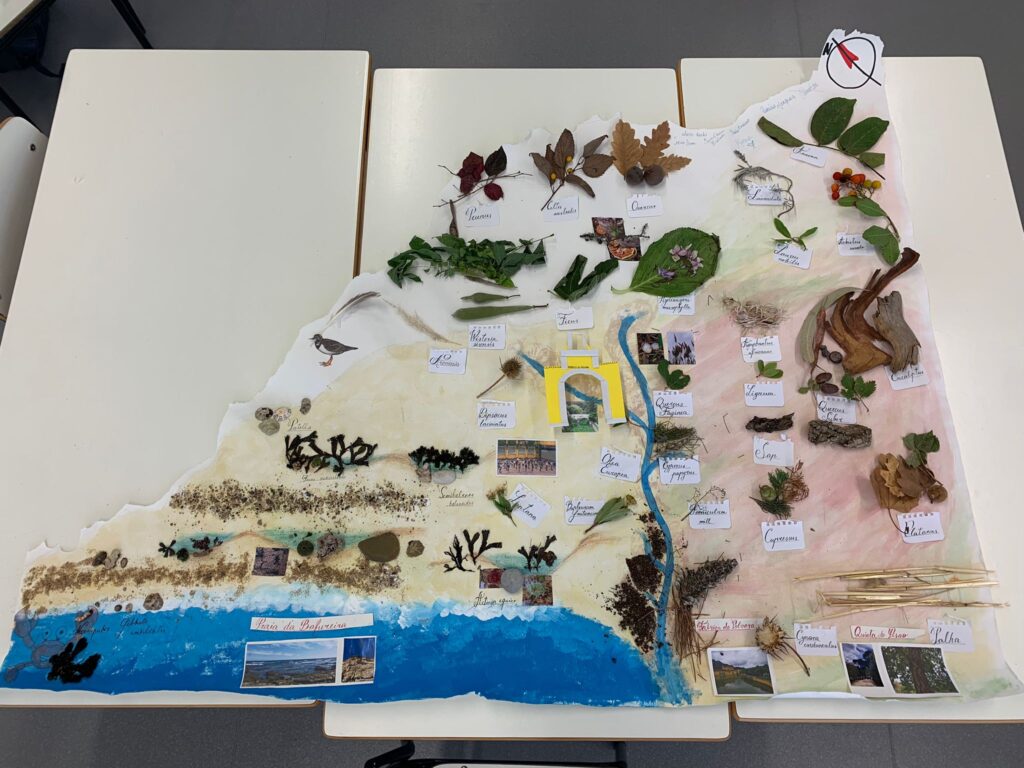
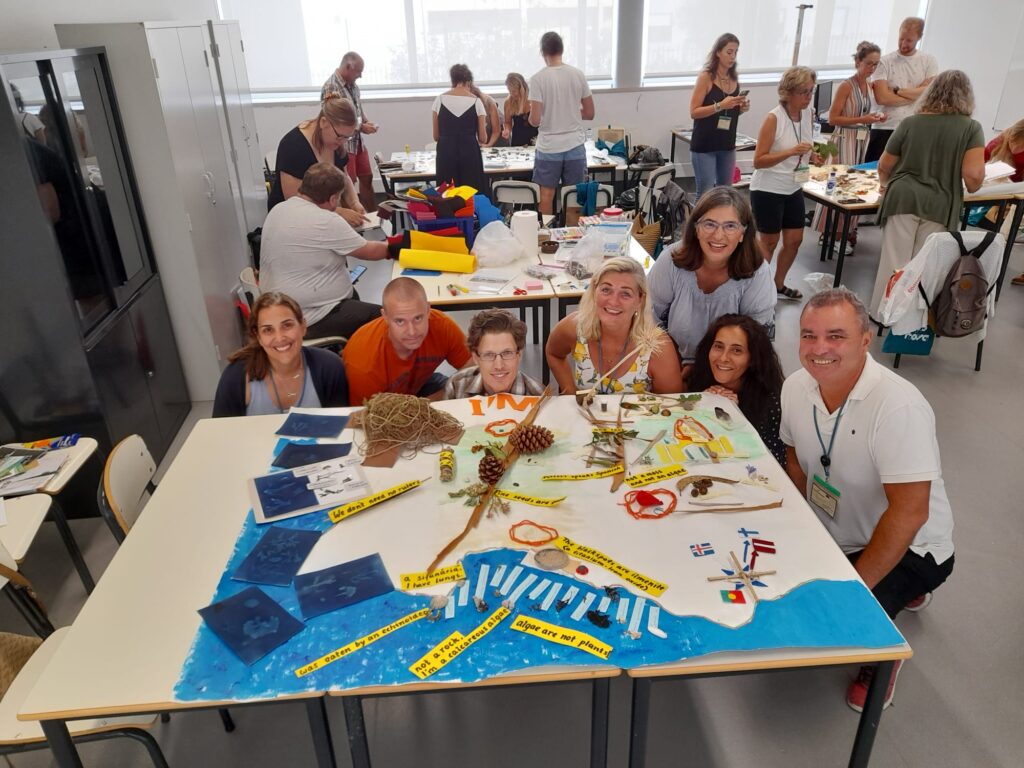
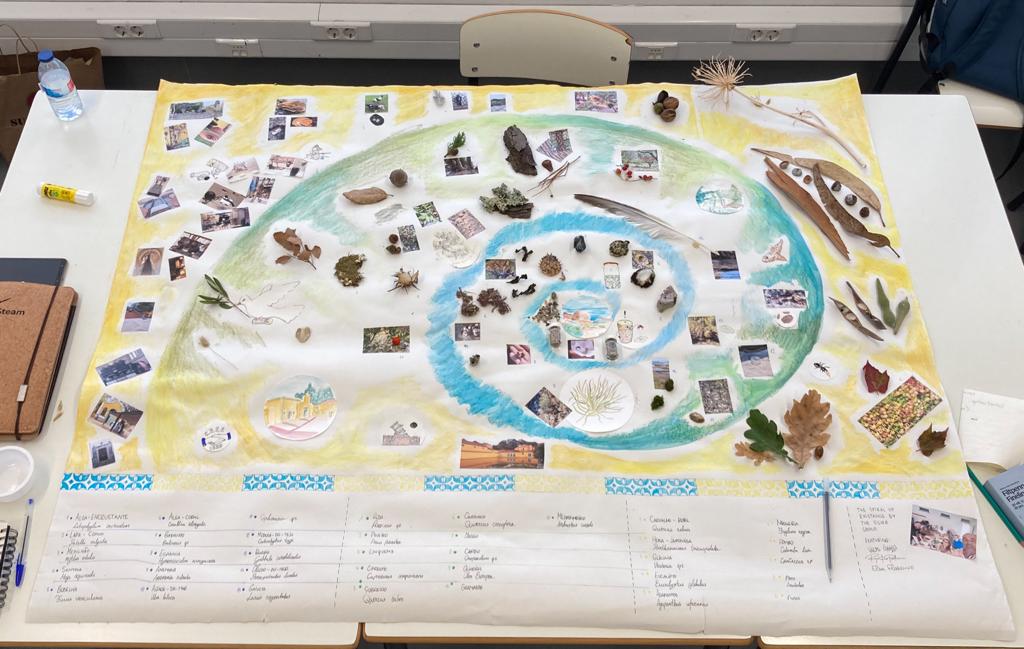
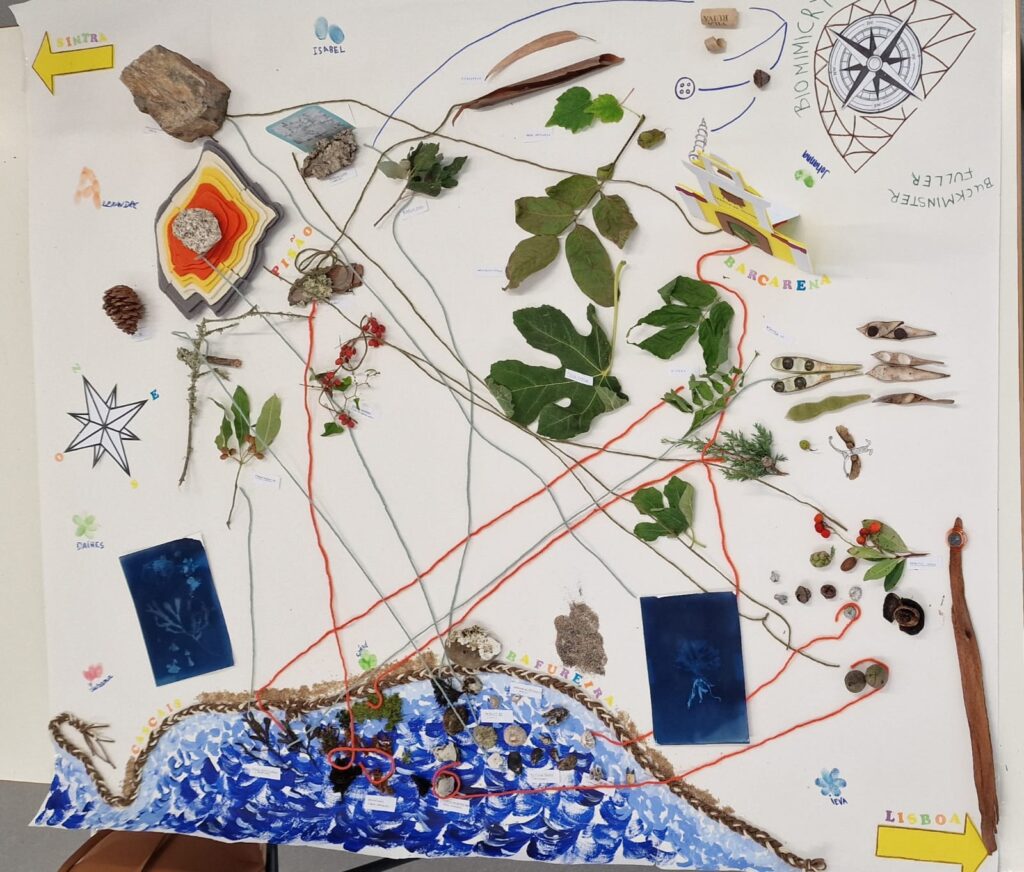
By the end of the training, the participants created an Ephemeral Map that served as a visual tool for synthesizing all the data, observations, and insights collected throughout the field trips, workshops, and museum visits. It is a collaborative effort in which teachers worked together to organize and represent their findings on a temporary, flexible map. This map is an evolving artifact that reflects the connections between geodiversity, biodiversity, cultural history, and scientific principles.
This joint training had the support of the municipalities of Cascais e Oeiras, both in the access to the facilities but also by supporting the participation of 4 of the Portuguese teachers. This action has been properly certified by the competent authorities in Portugal, so for national participants it counts as training hours required for their professional career.