
The second training action took place in Turku, Finland, from 4-7 September and joined 26 teachers/educator from Finland, Iceland, Latvia and Portugal.
The Training activity has successfully implemented a comprehensive series of workshops, museum visits, and group discussions designed to engage teachers in active learning about the integration of Science, Technology, Engineering, Arts, and Mathematics in education. The training kicked off with an introduction to STEAM pedagogy, emphasizing its significance in the Finnish education system. This session laid the foundation for understanding the role of interdisciplinary teaching and the potential impact of STEAM integration on student learning.
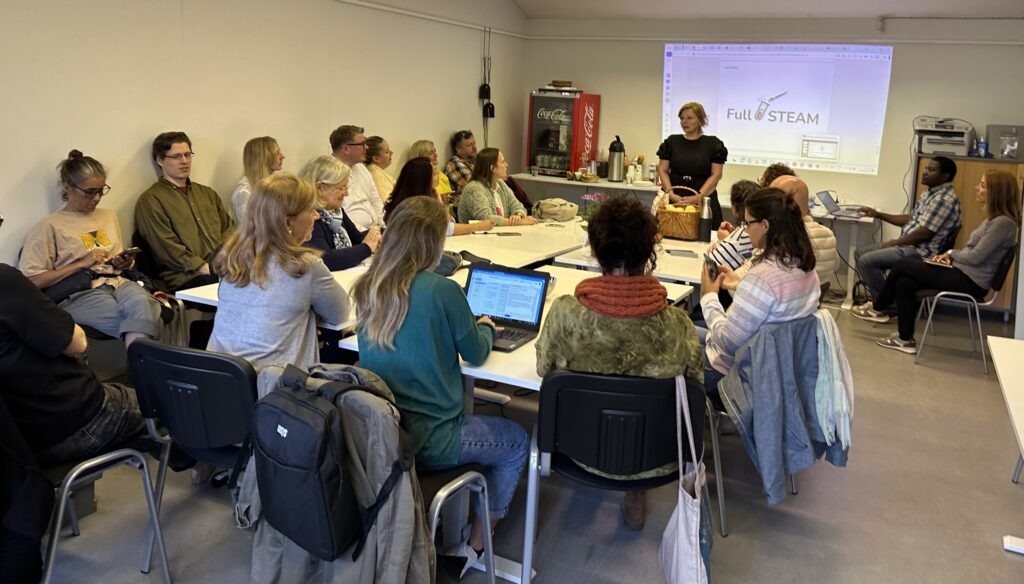
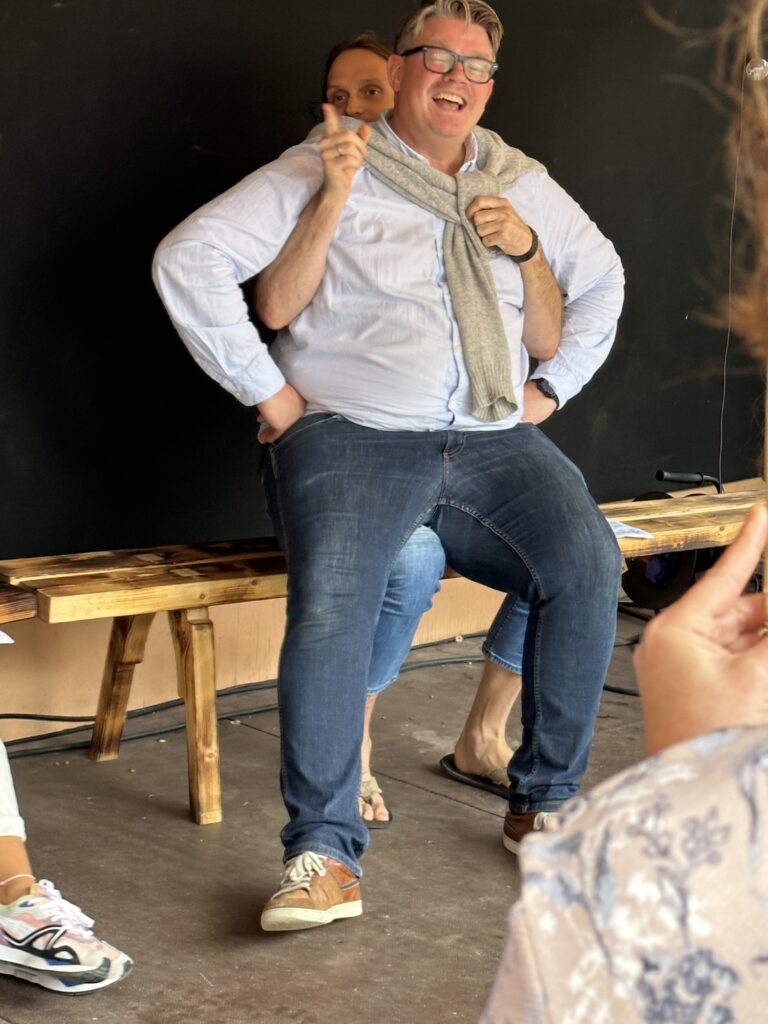
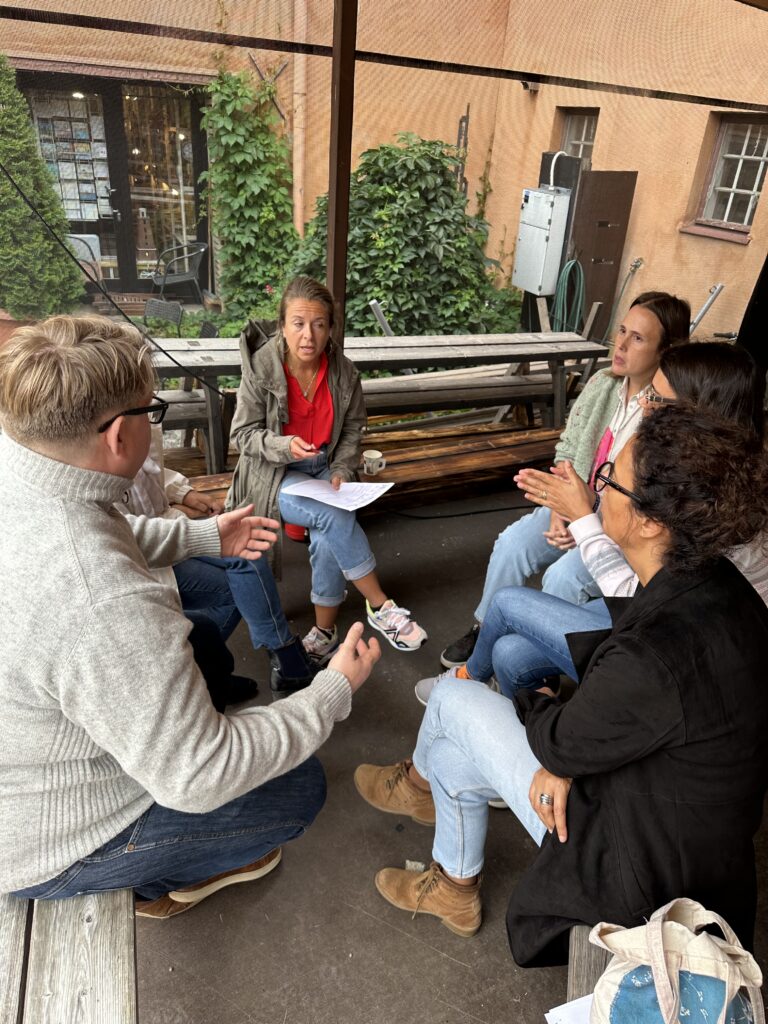
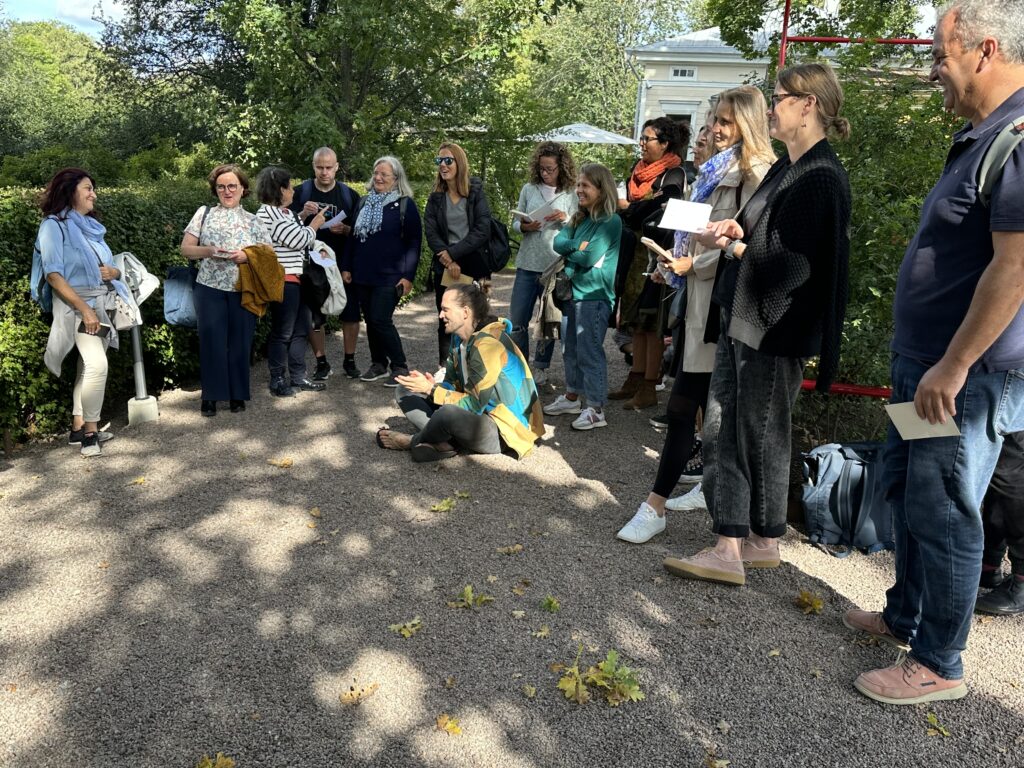
The theater-based workshop initiated on the first day continued throughout the week, allowing participants to actively engage with creative problem-solving methods. The group discussions provided
valuable reflection time, allowing teachers to share their insights on how to better implement STEAM integration in their teaching practices. The Arts Integration workshop encouraged participants to create hands-on activities that combined arts and design with scientific principles, fostering a more holistic understanding of the content. These activities allowed teachers to experiment with practical strategies for integrating creativity and innovation into their teaching, which is essential for the development of critical thinking skills.
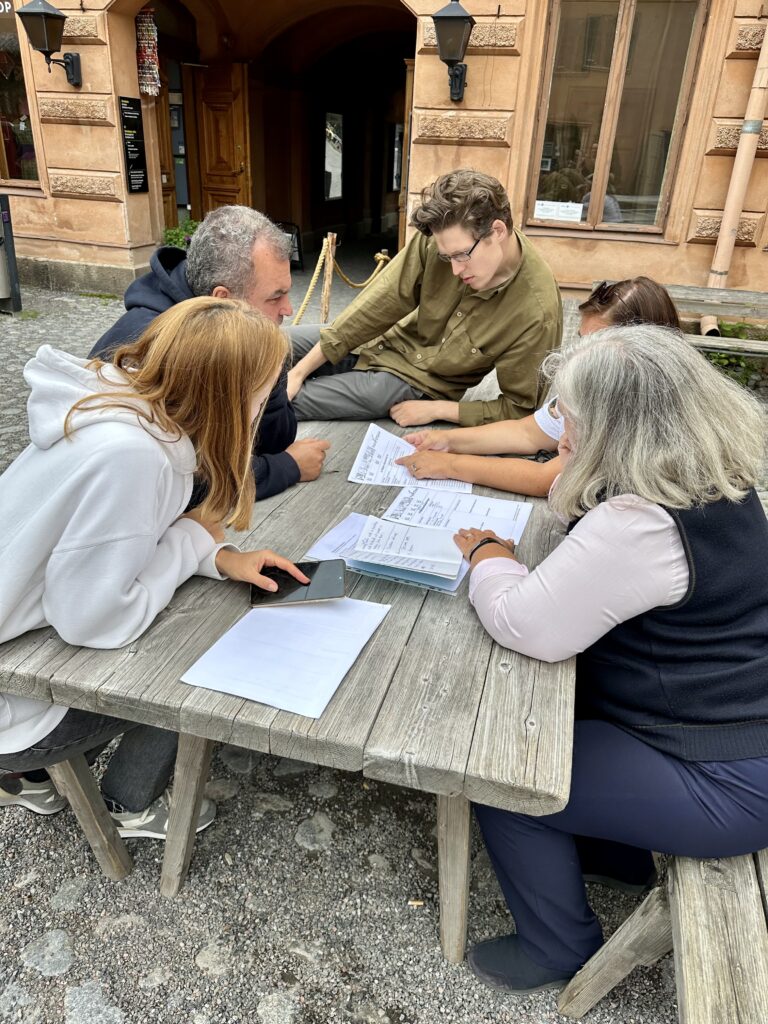
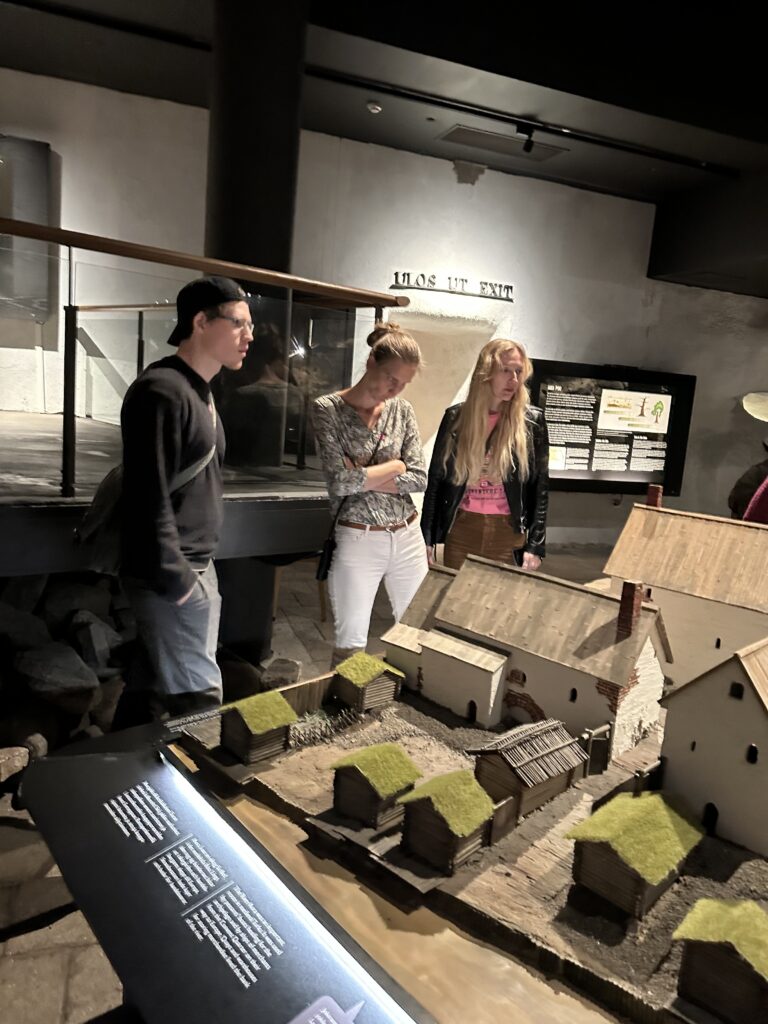
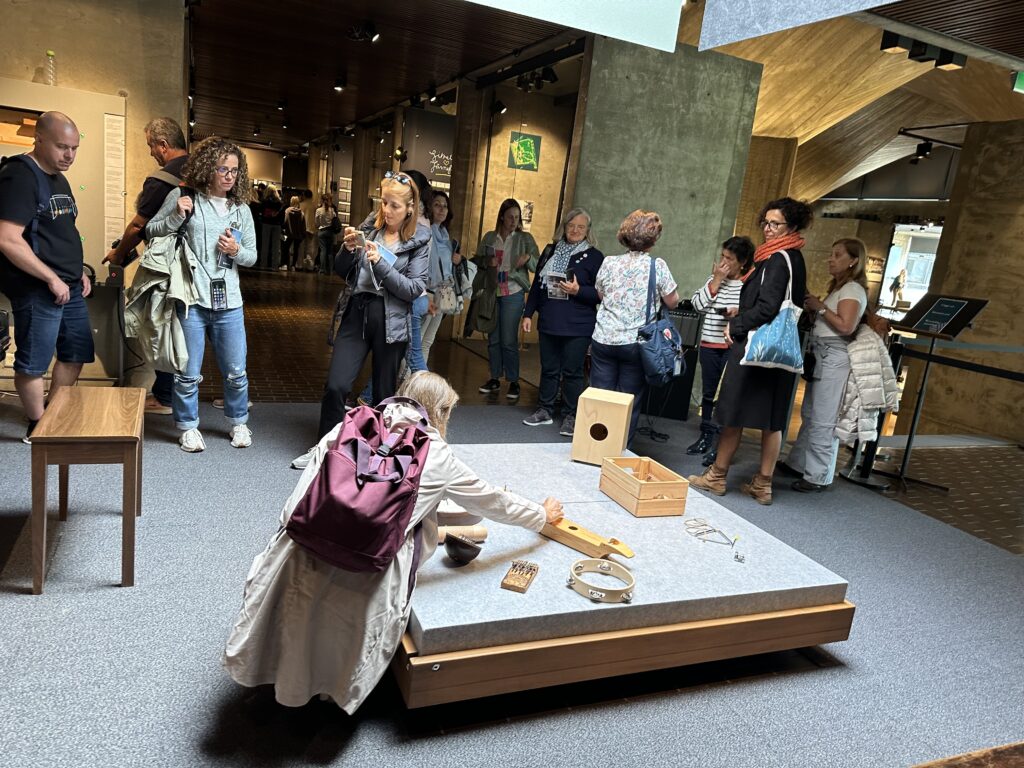
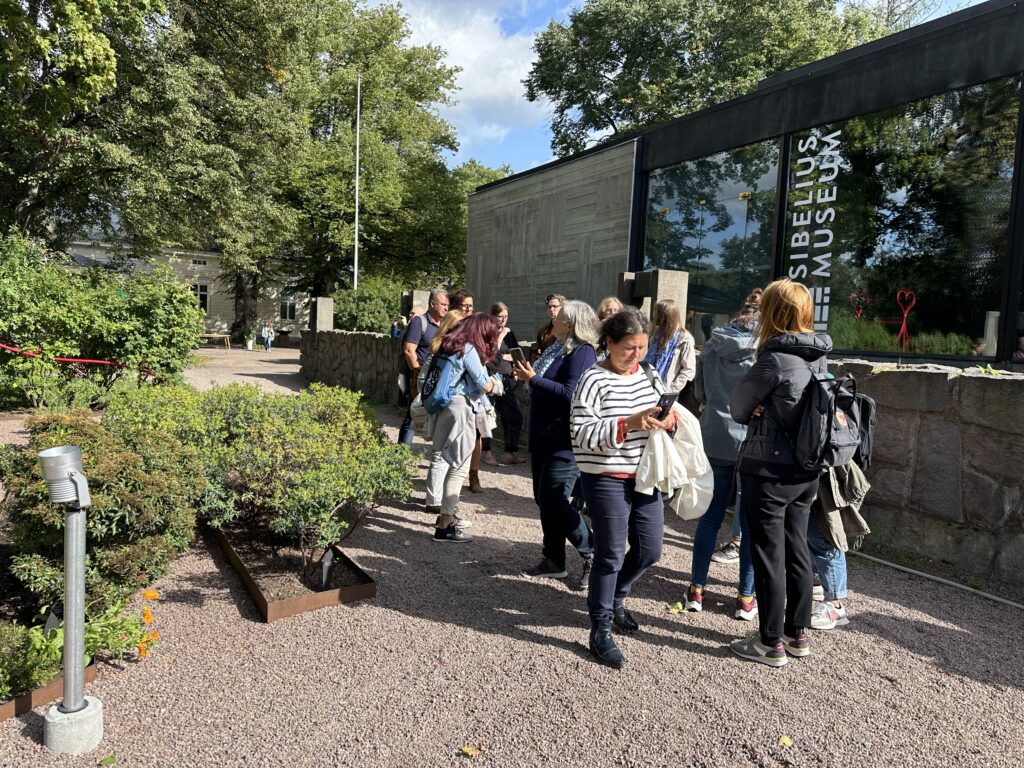
A key highlight of the training was the museum visits to Forum Marinum and the Sibelius Museum. Museums as learning environments were explored, particularly in the context of outdoor learning and field trips, emphasizing their role in STEAM education. These visits aligned perfectly with the project’s goal of showcasing real-world applications of STEAM principles. The museums offered an excellent opportunity for teachers to experience hands-on learning and explore the connections between science and history.
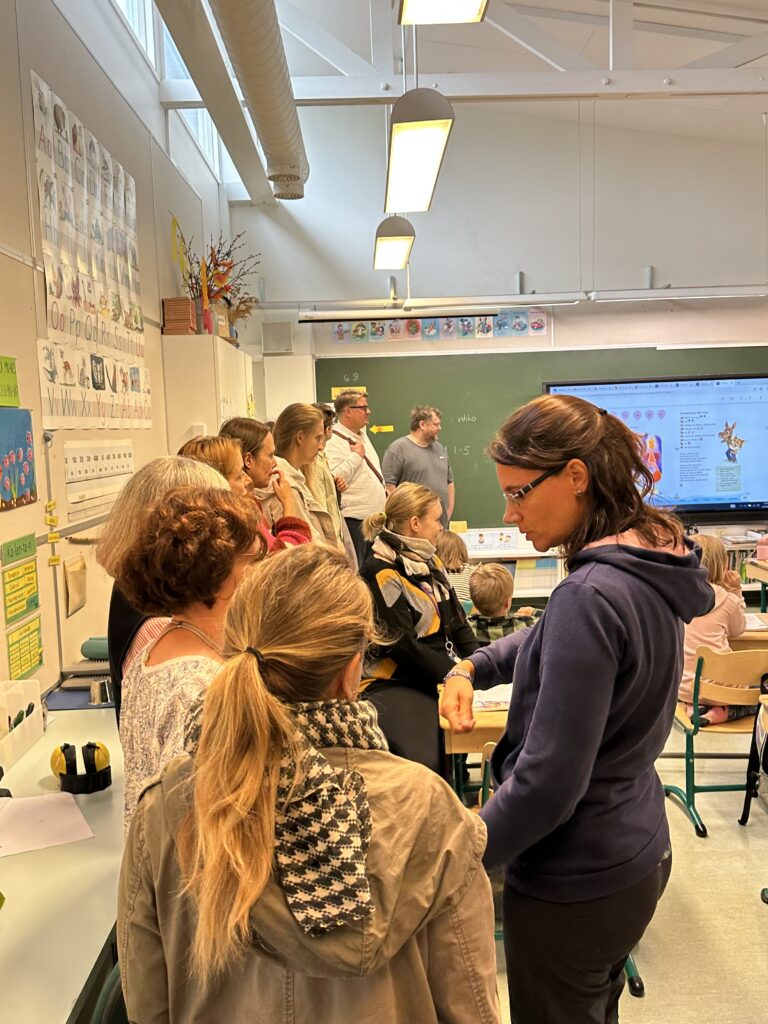
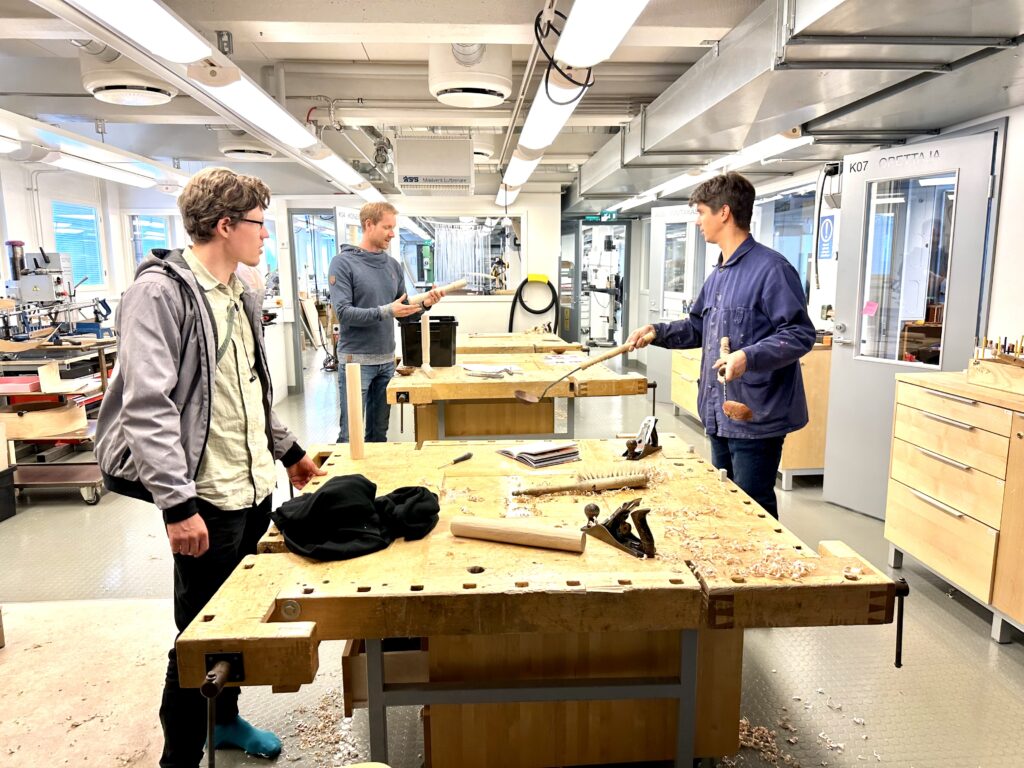
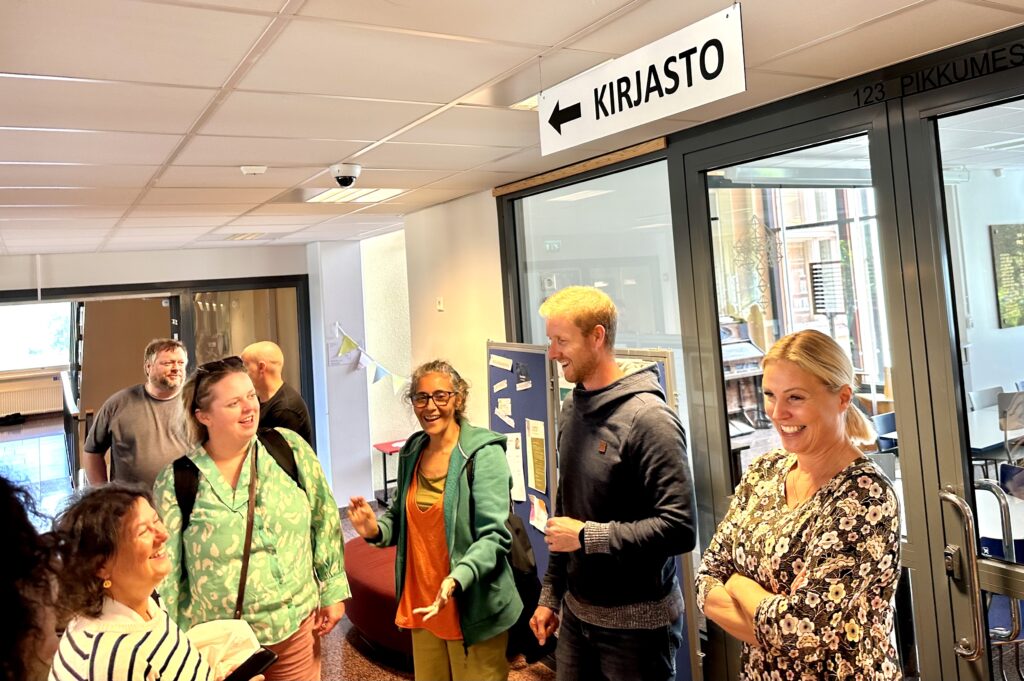
The trainees had also the opportunity to visit some Finnish schools where they can see and participate on some of the activities and share experiences with other teachers.
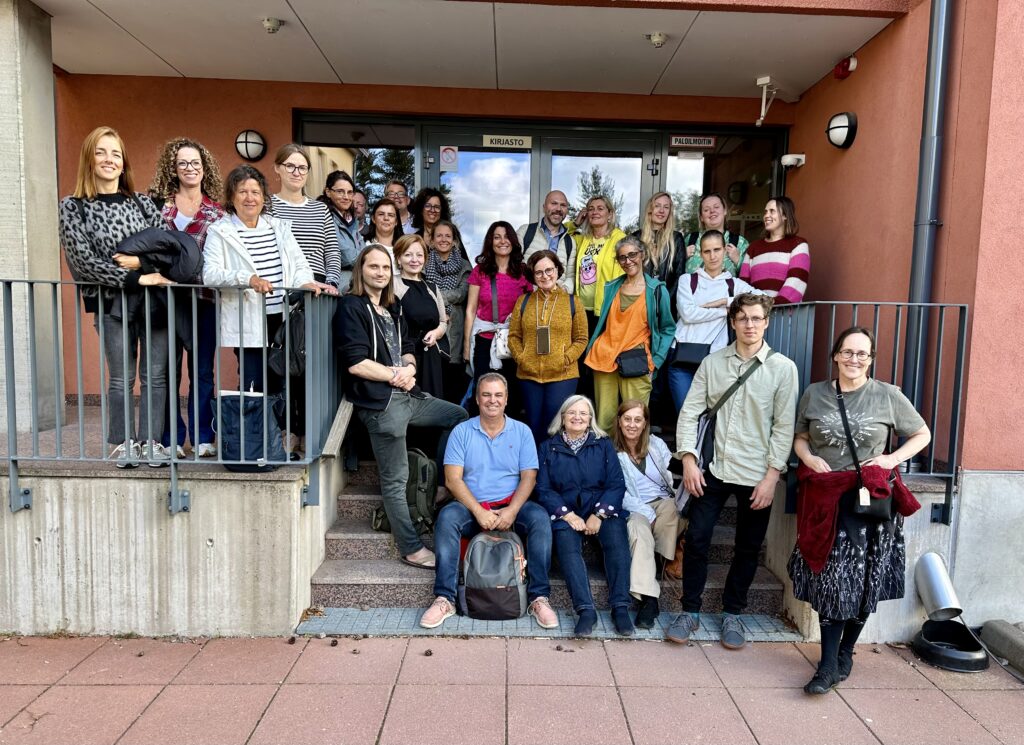
This joint training had the support of the municipality of Oeiras allowing the participation of 2 extra Portuguese teachers. This action has been properly certified by the competent authorities in Portugal, so for national participants it counts as training hours required for their professional career.